
Origins of a Folk Saint
2026-09-27
Santa Muerte's Roots in Spanish Colonial Catholicism: How Death Became a Folk Saint
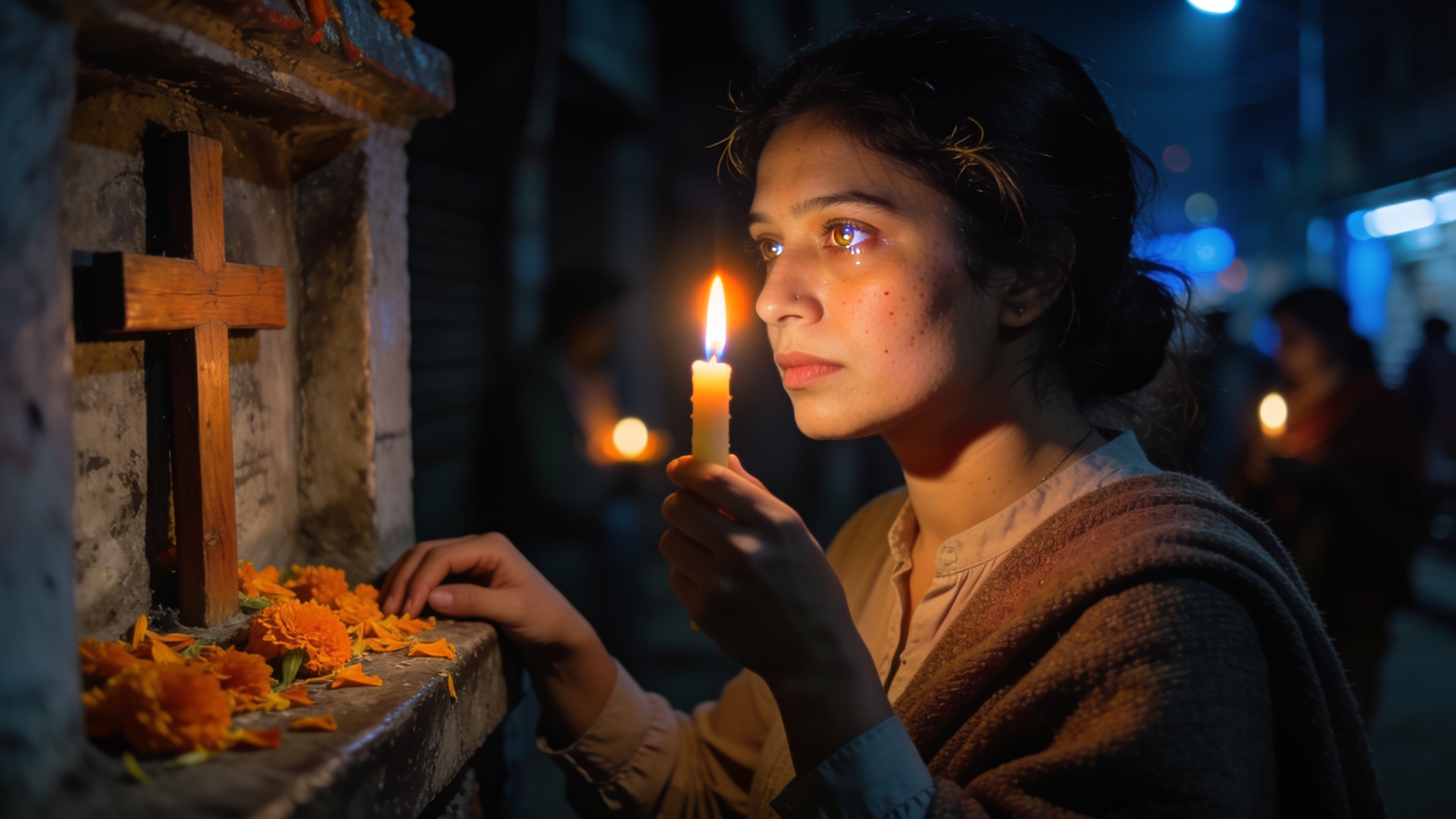
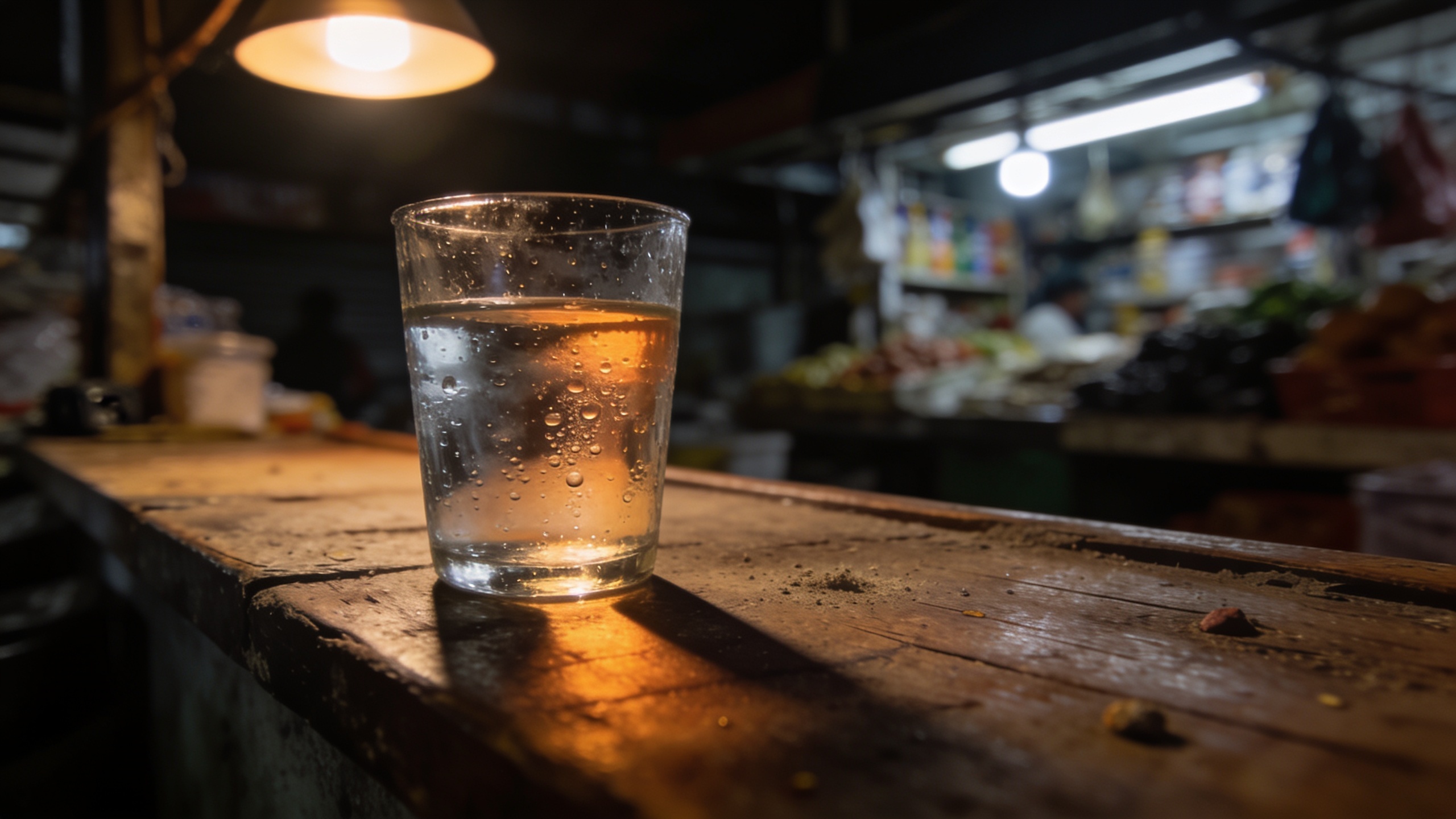
In a stall in Tepito, Mexico City, a devotee places 1 glass of water beside a life-size skeleton dressed in white. She speaks to Santa Muerte, Holy Death, a figure whose Spanish colonial origins stretch back five centuries to the violent meeting of Spanish Catholicism and Mesoamerican death gods. That skeletal image, often holding a scythe and a globe, now commands an estimated 10 to 12 million followers across the Americas. It's a history as layered as the robes she wears.
What This Is: A Syncretic Folk Saint
Santa Muerte is a folk saint, born from the collision of Spanish Catholic imagery and Indigenous thanatologies during the colonial period. She lives outside the official canon of the Roman Catholic Church. Where the missionaries brought a female Grim Reapress, the Indigenous peoples of Mexico brought their own rich traditions of death deities and a cyclical understanding of life and death. The result is a skeleton saint who holds a scythe like the European La Parca and who answers to names like the Bony Lady and Lady of the Dead, titles that echo the Aztec Mictēcacihuātl.
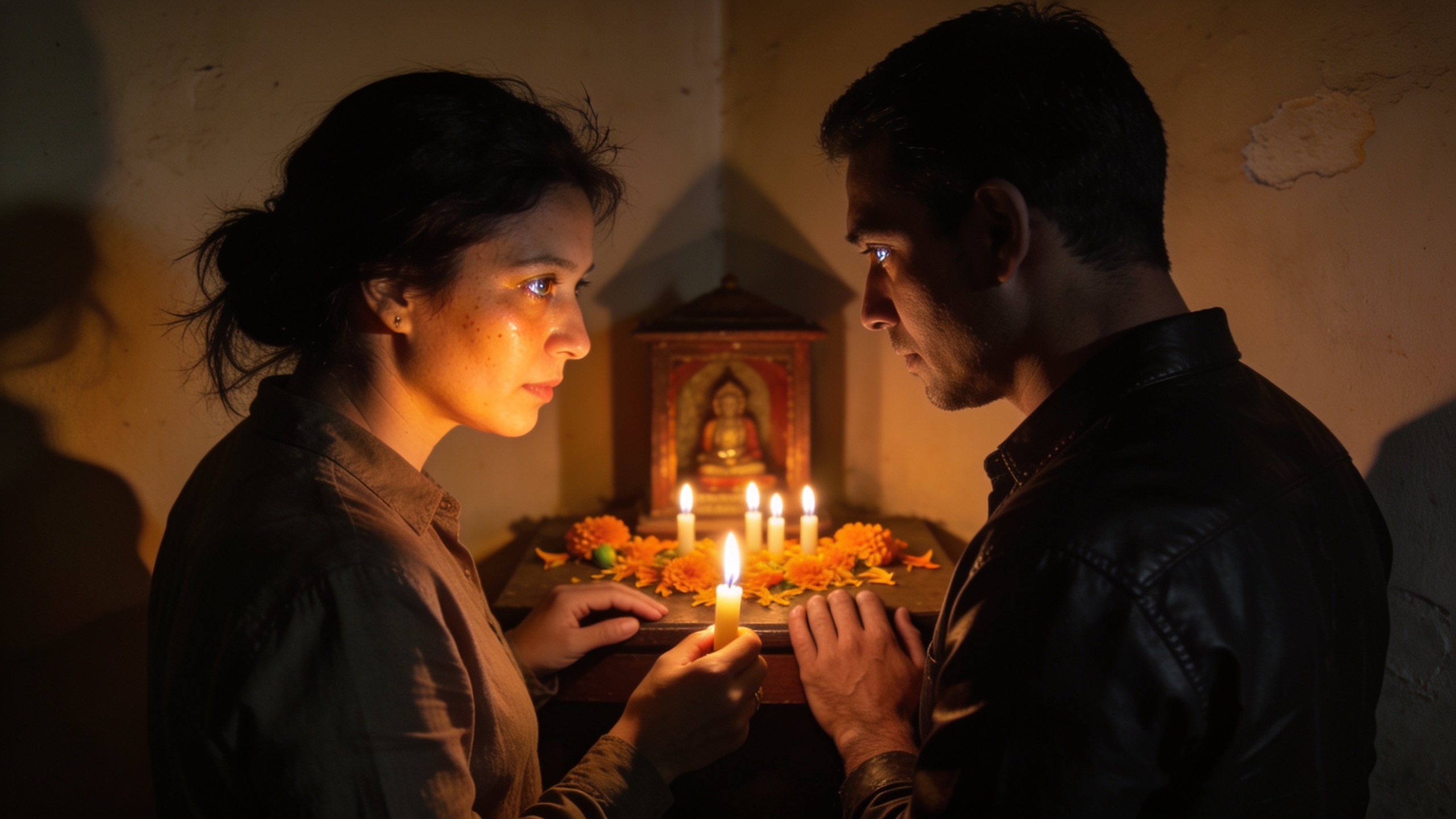
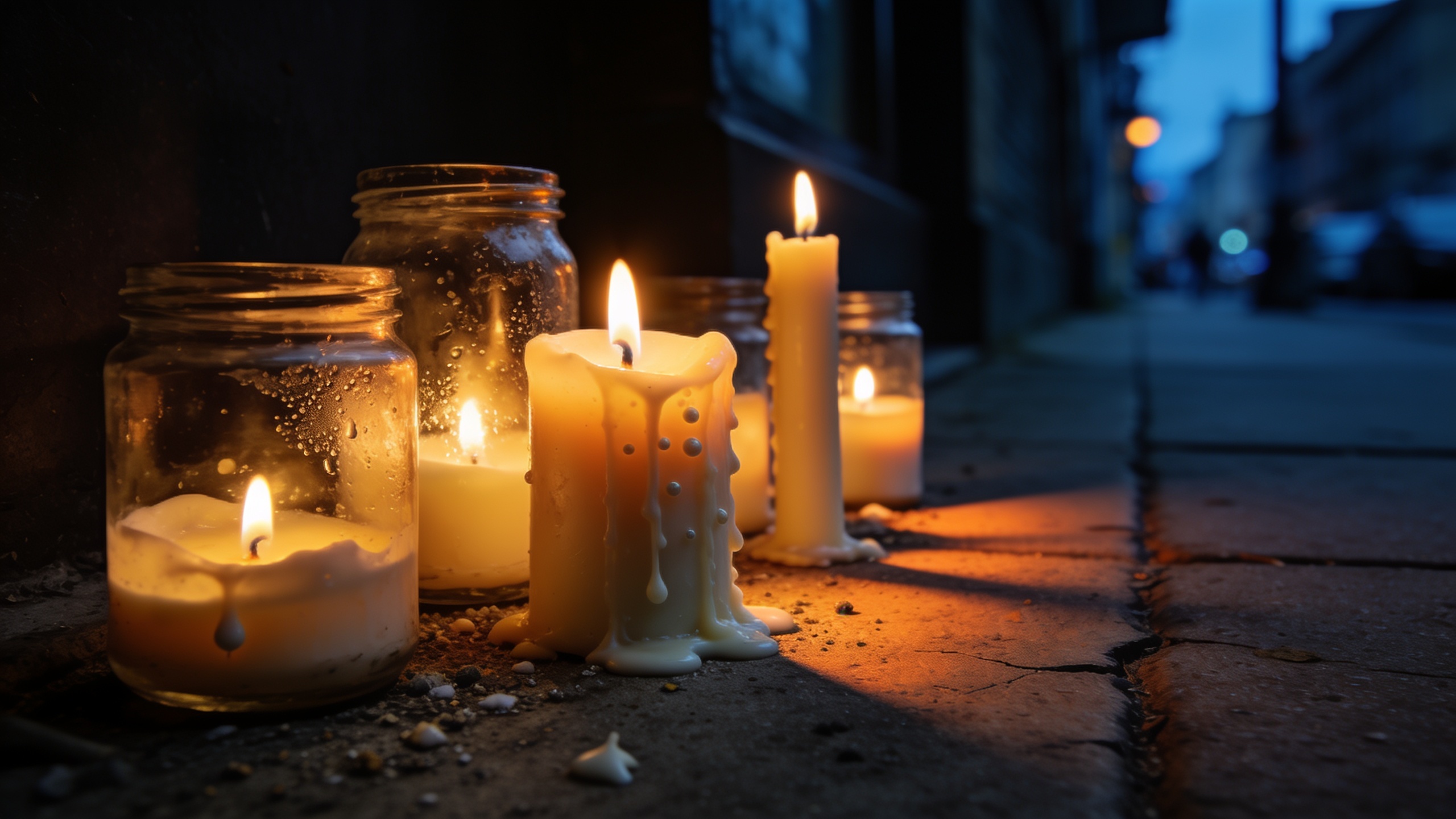
Her devotees are overwhelmingly Catholic in their self-identification, yet they know she isn't a saint in the Roman sense. They pray before statues and prints. They light candles. They leave offerings of water and fruit, sometimes a few flowers. In return they ask for healing, protection, a job, safe passage, or relief from a broken heart. This is a popular devotion, a lived religion that draws on the old and the new. To understand how a skeleton came to be treated as a saint, you have to look at the two streams that fed into her image and the colonial crucible where they merged.
What Santa Muerte Is Not: A Catholic Saint
Santa Muerte has no Vatican recognition, no canonization process, and no official liturgy. In 2013 a Vatican official condemned devotion to her, calling it "the celebration of devastation and of hell." The Catholic hierarchy in Mexico and the United States has repeatedly warned the faithful that she is incompatible with Christian doctrine. Devotees don't claim otherwise. They know the Church rejects her. What they claim is a different kind of legitimacy, one built on answered petitions and the sense that death listens to those who have no one else. A devotee doesn't need a theologian's permission to set out 1 glass of water and speak her needs. For them, the skeleton saint is a presence on a home altar, a candle in the dark, a cool glass of water in a Tepito market stall. That doesn't make her a canonized saint, and this house never teaches that she is. She simply occupies a space the official Church left empty.
The Spanish Grim Reapress: European Roots of Holy Death
When Spanish missionaries arrived in New Spain, they carried with them the image of La Parca, a female personification of death. In medieval and early modern European art, death often appeared as a skeletal woman holding a scythe and an hourglass. She was a memento mori, a teaching tool in a culture saturated with the danse macabre, not a saint. You'd find her in church murals, catechisms, and religious plays, reminding the living that time was short.
The Spanish brought that iconography into colonial churches. In the candlelit chapels of Mexico City, La Parca became the visual template for Holy Death. The skeletal body, the long robe, the scythe come straight from the European repertory. Scholars of Santa Muerte, like Andrew Chesnut and a Danish researcher who traced the image's genealogy, point out that the female skeleton of death had been familiar in Spanish folk culture for centuries before it ever touched Mexican soil. That figure hadn't yet become a folk saint, but it was already a powerful image of the equalizing force of death.
Indigenous Death Deities: Pre-Columbian Influences
Long before the Spanish arrived, the Indigenous peoples of Mesoamerica had a sophisticated relationship with death. The Aztecs, in particular, worshipped a pair of death deities: Mictēcacihuātl, the Lady of the Dead, and her consort Mictlantecuhtli. These gods ruled over Mictlan, the underworld, and they were part of a cosmology where death and life cycled into each other without the sharp dualism of Christian thought. Bones, skulls, and skeletal imagery were everywhere in Aztec art and ritual. Not as horror but as a natural part of the continuum.
When the Spanish imposed their religion, they couldn't erase that deep thanatology. Instead, the figure of death absorbed Indigenous meanings. The skeletal form that La Parca wore now also held the memory of Mictēcacihuātl. Devotees today sometimes call Santa Muerte by that very name, Lady of the Dead, in a direct echo of the pre-Hispanic goddess. The Indigenous understanding of death as a giver of life and a force of balance prepared the ground for a skeleton saint who could be both fearsome and nurturing, a mother as much as a reaper.
Syncretism and Bricolage: The Birth of Santa Muerte
The Santa Muerte venerated today is a coalescing of two distinct images that developed in Mexico over centuries. The first is the popular-secular Catrina, the elegant female skeleton drawn by José Guadalupe Posada in the early 20th century. Catrina was a satirical figure, a reminder that death makes everyone equal, rich and poor alike. Over time she became the playful icon of the Day of the Dead, but she was never a saint. She was art, a skeleton in a fancy hat.
The second image is the occult-biblical Santísima Muerte, Holy Death, whose name appears in colonial-era spell books and Inquisition records. As early as the 1790s, the Holy Office investigated cases of people using skeletal figures in prayers for love, protection, and the return of lost objects. This was a hidden devotion, practiced behind closed doors, far from the Church's gaze. Santísima Muerte was invoked with rosaries and novenas, blending Catholic form with folk magic.
When those two streams merged, the public, secular Catrina and the secret, devotional Santísima Muerte, the result was a single figure who could hold both levity and big petition. Add the Indigenous substrate of Mictēcacihuātl, and you have the Santa Muerte of the 21st century: a skeleton in a robe who accepts whatever you bring, a candle or 1 glass of water or an apple. She's called mother by millions, and she's something new, a bricolage of all three traditions.
Modern Devotion and Expansion: From Margins to Mainstream
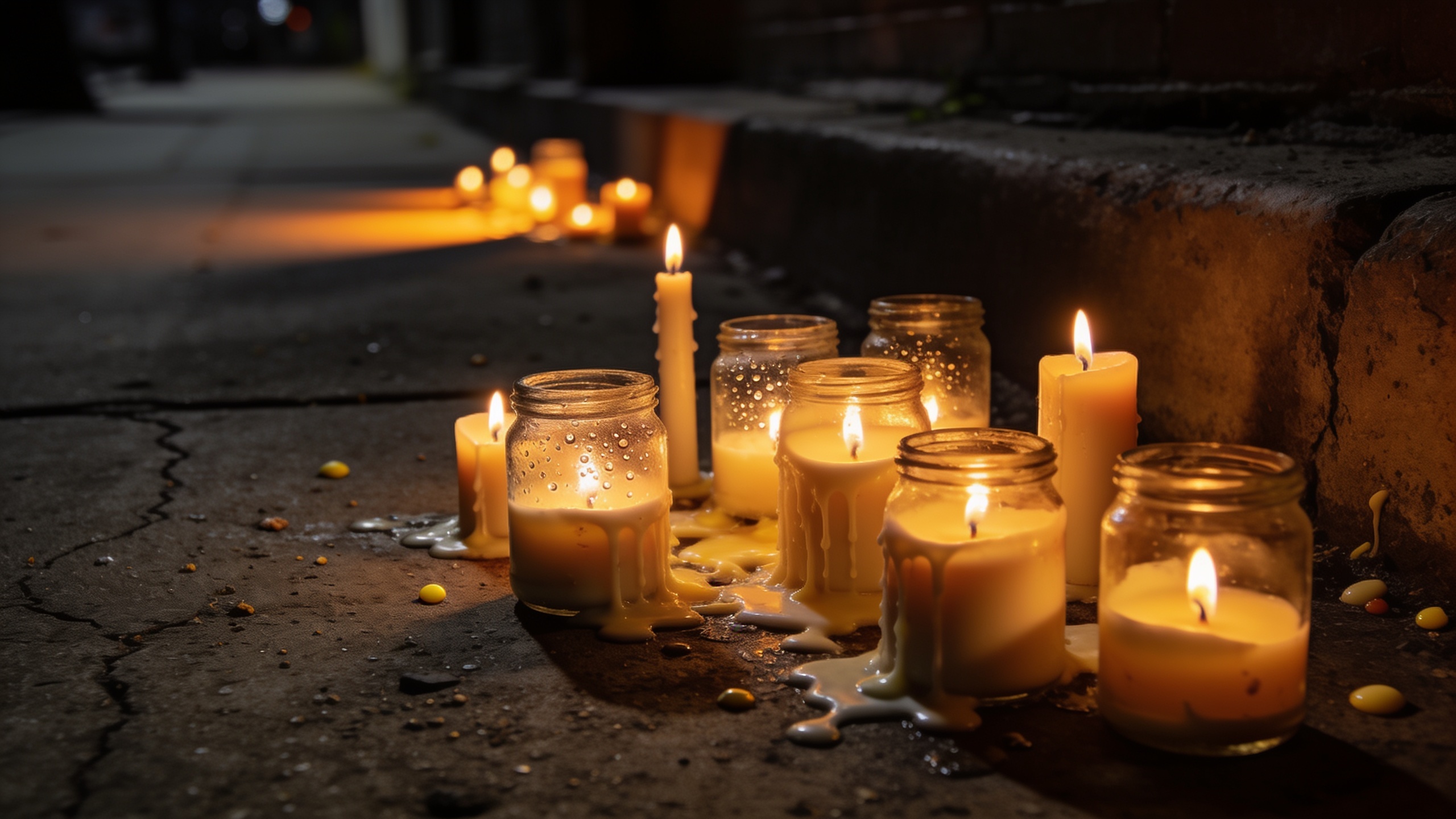
For most of her history, Santa Muerte remained a private devotion. That changed in 2001, when a woman named Enriqueta Romero placed a life-size statue of the skeleton saint in a glass case outside her home in Tepito. The shrine drew neighbors, then pilgrims, then the media. Within a few years, Santa Muerte was no longer hidden. Her image appeared on everything: candles, pendants, prayer cards sold in markets across Mexico and the United States.
The growth has been staggering. By some estimates, the devotion now numbers 10 to 12 million people, making it one of the fastest-growing religious movements in the Americas. The cult has attracted those on the margins: the poor, the imprisoned, sex workers, LGBTQ+ people, migrants who feel that the official Church has no place for them. It has also drawn the attention of drug cartels, a fact that has shaped her public image in sensationalist news coverage. Yet the majority of devotees are ordinary people seeking healing, work, and safety. Their prayers are the same ones whispered at any Catholic shrine, only the intercessor is a skeleton.
This house teaches devotion to Santa Muerte in all her robes. We don't sell harm. We don't promise she'll ruin an enemy. We don't treat her as a narco-saint.
Limits: The Catholic Church's Rejection and Condemnation
The Roman Catholic Church has been unambiguous. Santa Muerte isn't a saint. The Vatican's 2013 condemnation made clear that devotion to her is incompatible with Christian faith. Bishops in Mexico and the United States have repeated that warning. For Catholics who want to remain in full communion with the Church, venerating Santa Muerte isn't an option.
This house respects that boundary. We also respect the boundary between spiritual practice and professional expertise. Santa Muerte isn't a doctor. If you're ill, see a physician. She isn't a lawyer. If you face legal trouble, hire an attorney. She isn't a fire marshal. Keep candles on a stable surface, away from curtains, and never leave a burning flame unattended. Lock your door at night. The devotion is a complement to a responsible life, not a replacement for it. You can read more about safe practice on our ethics and safety page.
Questions People Actually Ask About Santa Muerte
### Is Santa Muerte a Catholic saint? No, she isn't. She's never been canonized, and the Catholic Church has explicitly condemned her veneration. Most of her followers are culturally Catholic, but the devotion exists outside official Church structures.
### Why does Santa Muerte look like a skeleton? She is a personification of death. The skeletal form draws on European imagery of the Grim Reapress and on the pre-Hispanic tradition of death deities like Mictēcacihuātl. The skeleton is a reminder that death comes for everyone.
### Do devotees believe Santa Muerte is evil? The overwhelming majority don't. They see her as a protector, a healer, and a mother figure who grants petitions. Media reports often focus on criminal elements, but that distorts the everyday devotion of millions.
### How did the devotion start? Its roots lie in the colonial encounter between Spanish Catholicism and Indigenous death cults. The modern public devotion took off after a shrine was established in Tepito, Mexico City, in 2001.
### Can anyone pray to Santa Muerte? Yes. But this house teaches ethical devotion. We never instruct anyone to ask for harm to another person, and we don't offer paid hexes or curses. The skeleton saint is approached with water, light, and a clean heart.
Start with water. 1 glass of cool water on a clean cloth is the oldest petition in this devotion. It asks nothing but presence. Visit our guide on altar care to learn how to keep a simple, safe altar.