
When the Vatican labeled Santa Muerte devotion blasphemous
2026-09-28
The Vatican's Condemnation of Santa Muerte: Suppressing the Red Saint of Death
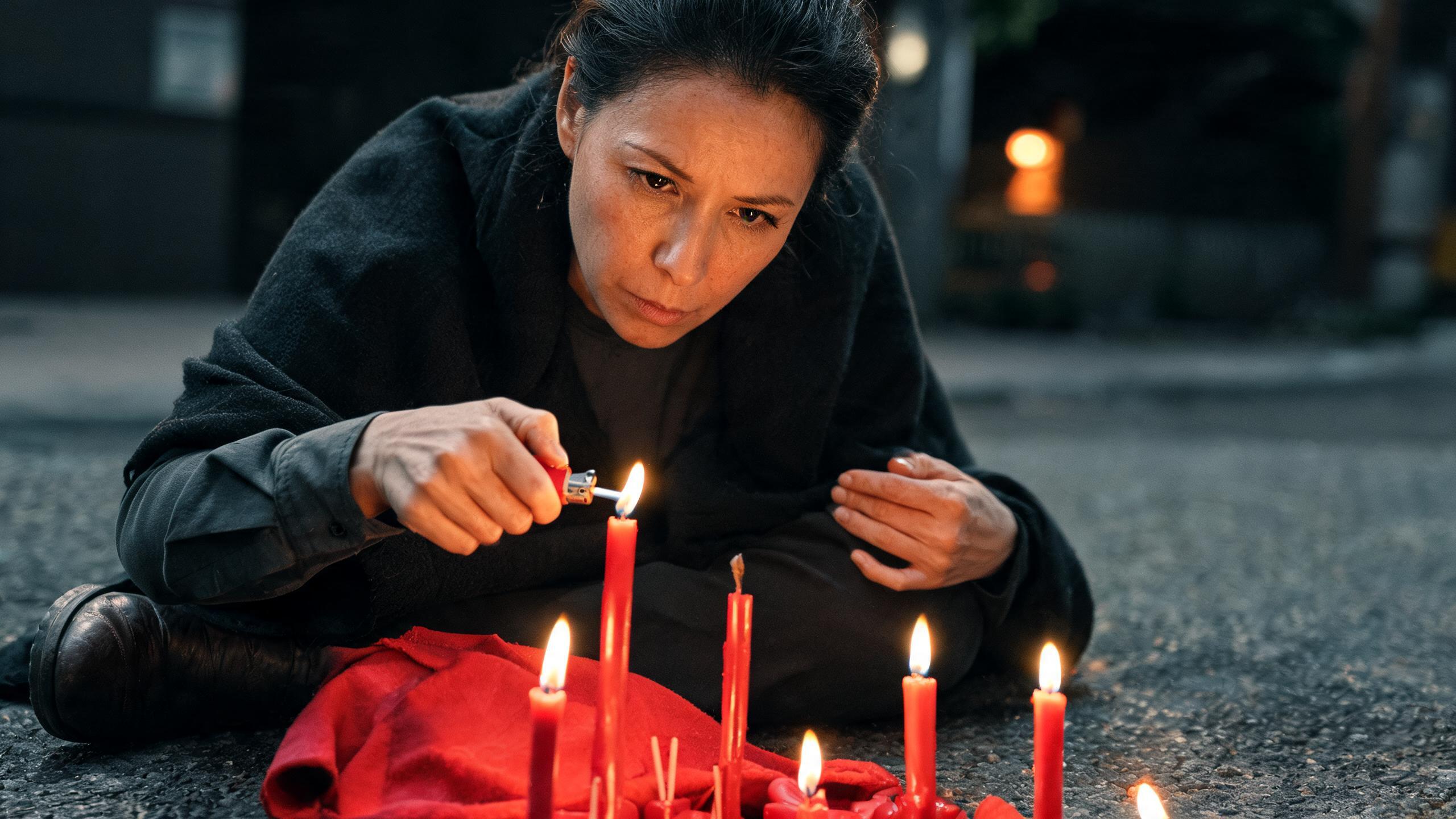
In May of 2013, a senior Vatican official stood in Mexico City and called the devotion to Santa Muerte "blasphemous." Cardinal Gianfranco Ravasi, president of the Pontifical Council for Culture, said it was a "degeneration of religion." He didn't mention any specific robe color. But for the millions who pray to the red-robed Santa Muerte, the aspect of love, blood, and passion, the condemnation hit close to home. The red Santa Muerte is the one you light a candle for when your partner is unfaithful, when you need a job to keep your family together, when the doctor gives bad news and you need a miracle. And now the Vatican was calling that prayer a blasphemy. This article looks at the history behind the Catholic Church's persecution of Santa Muerte devotion, why the red aspect draws particular scrutiny, and what that means for devotees who simply want a saint who understands them.
What This Is: The Vatican's Official Condemnation of Santa Muerte
Cardinal Ravasi's statement in 2013 was the first time the Vatican publicly addressed the cult of Santa Muerte. He said it was "anti-religious" because "religion celebrates life, but here you have death." The comment came during a series of events for believers and non-believers in Mexico City. It wasn't a formal decree. No excommunication. No official ban. But it carried the weight of the Vatican's highest cultural office. For the Church, Santa Muerte represents a fusion of indigenous death worship and Catholic saint veneration that goes too far, crossing a line the institution has guarded for centuries. The skeletal figure, dressed in a long robe and carrying a scythe, is a direct challenge to Christian teachings that death is a consequence of sin, not a power to be worshipped. The red robe, in particular, adds fuel to the fire. Red is the color of Christ's blood, of martyrdom, of the Holy Spirit. To put it on a skeleton saint feels, to Church officials, like a mockery. But to devotees, the red Santa Muerte is simply the one who hears their cries for love and survival.
What This Is Not: A Simple Superstition or Drug Cult
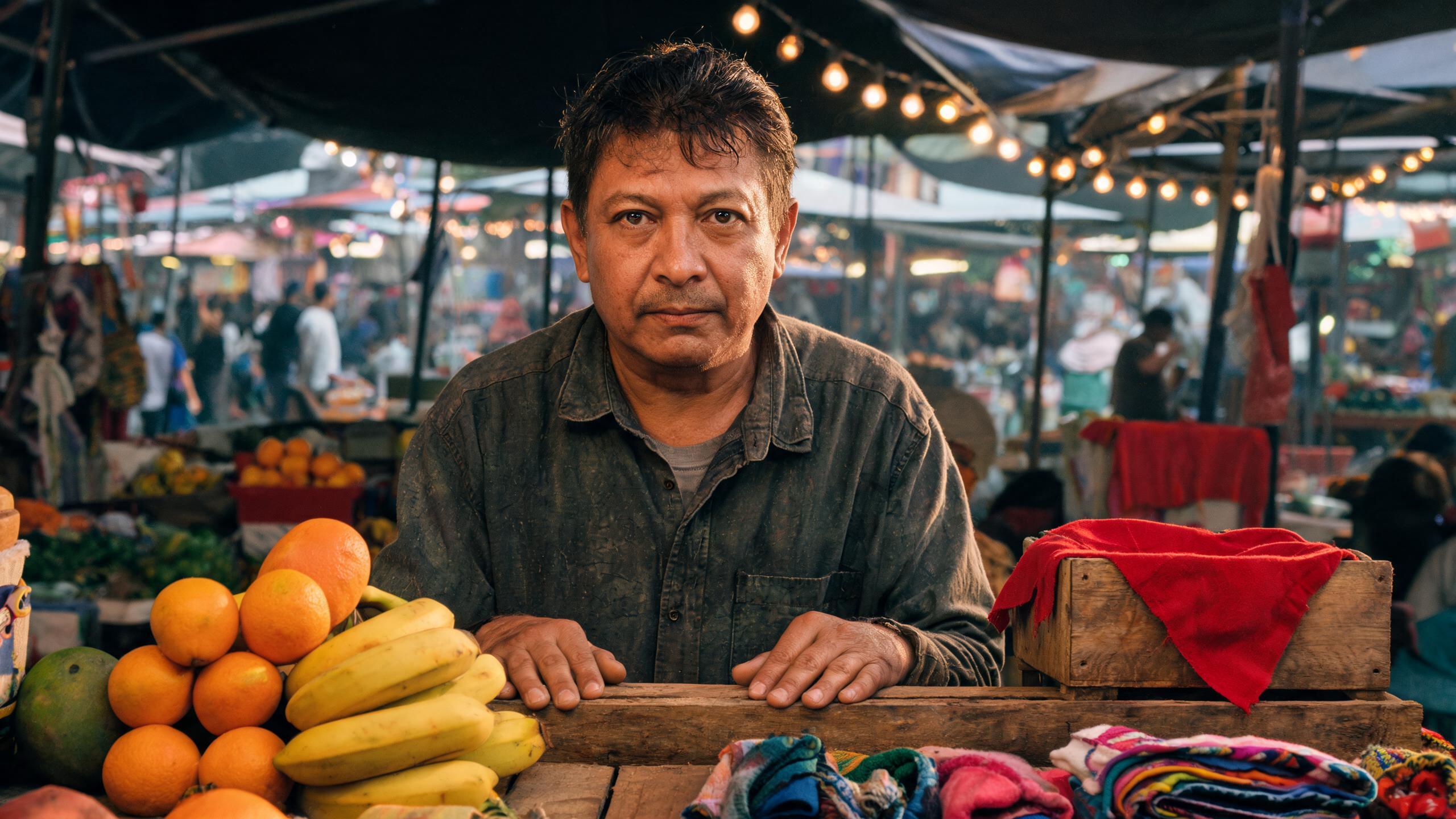
You'll often read that Santa Muerte is just a drug-cartel thing, a superstition for criminals and gang members. But the devotion reaches far beyond that. Yes, it's popular in areas affected by cartel violence, the BBC reported in 2013 that the cult was growing fast in regions with high murder rates. But it's also a faith for nurses, teachers, single mothers, and construction workers. A Mexico City street vendor told researchers, "She understands us because she is a battleaxe like us." The red aspect is especially popular among women praying for a faithful husband or for protection from domestic violence. It's not a shortcut to a hex or a curse. It's a real relationship with a saint who, as one devotee said, "is always beside you, even if it's just a little postage stamp that you put up above your cot." The Vatican's condemnation doesn't erase that reality. It just makes it harder for devotees to practice openly.
Historical Roots of the Suppression: From Colonial Origins to Vatican Decree
The cult of Santa Muerte likely dates back to colonial times. It merges indigenous beliefs about death, like the Aztec goddess Mictecacihuatl, who ruled the underworld, with the Catholic tradition of venerating saints. For centuries, it stayed underground, practiced in rural areas and among the poor. Then in the early 2000s, it exploded. Statues and candles became widely available. By 2010, National Geographic reported that the image had moved from prisons and biker art to makeshift temples across the country. The Church watched nervously. By 2013, the Vatican felt it had to speak. Cardinal Ravasi's words were meant to draw a line: this isn't Catholicism, this is a degeneration. But for many devotees, that line feels arbitrary. They were raised Catholic. They still pray to the Virgin of Guadalupe. They just also light a red candle to the Bony Lady when they need a miracle that the official saints haven't delivered.

The Red Aspect: Why the Red Santa Muerte Faces Extra Scrutiny
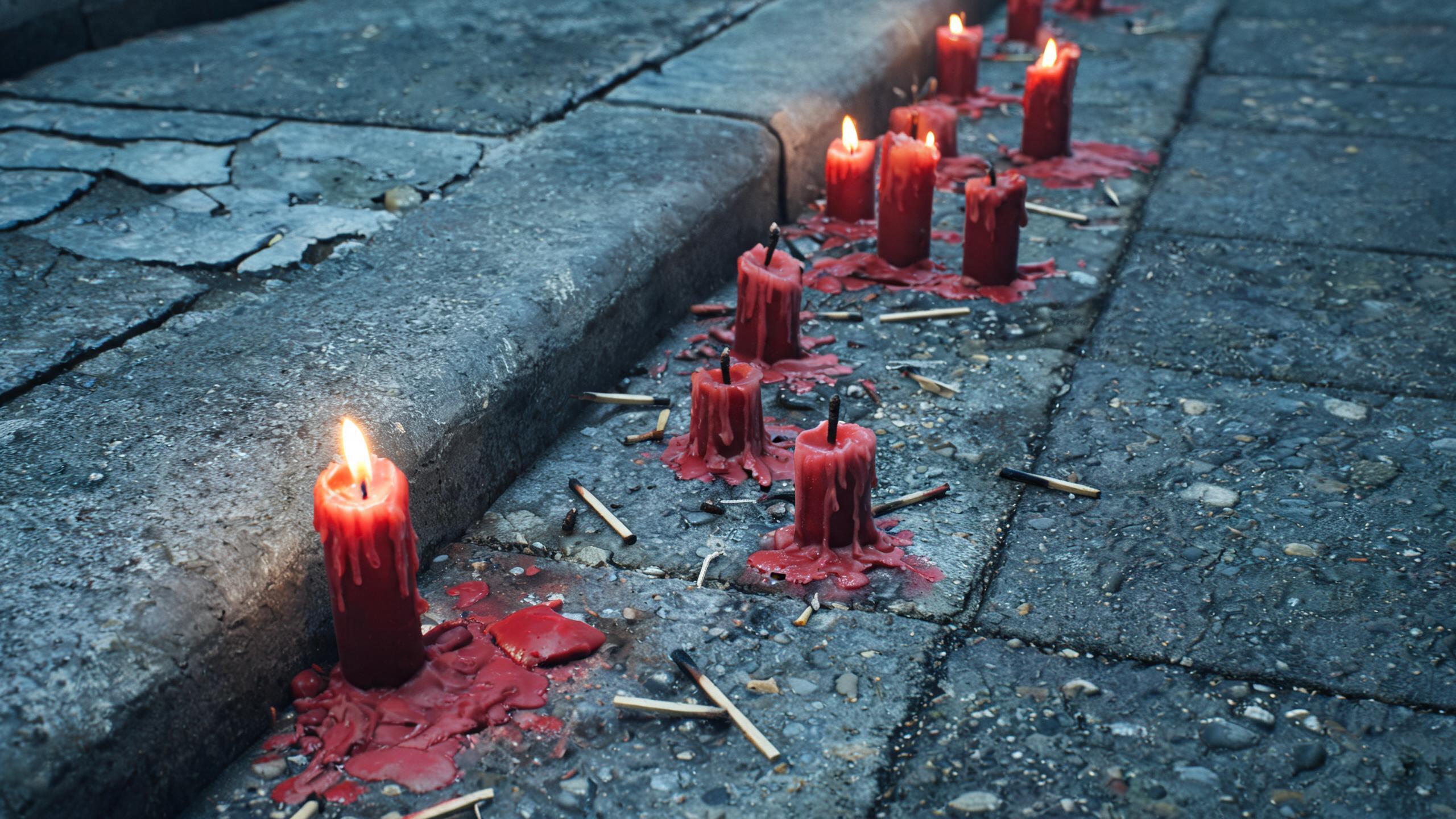
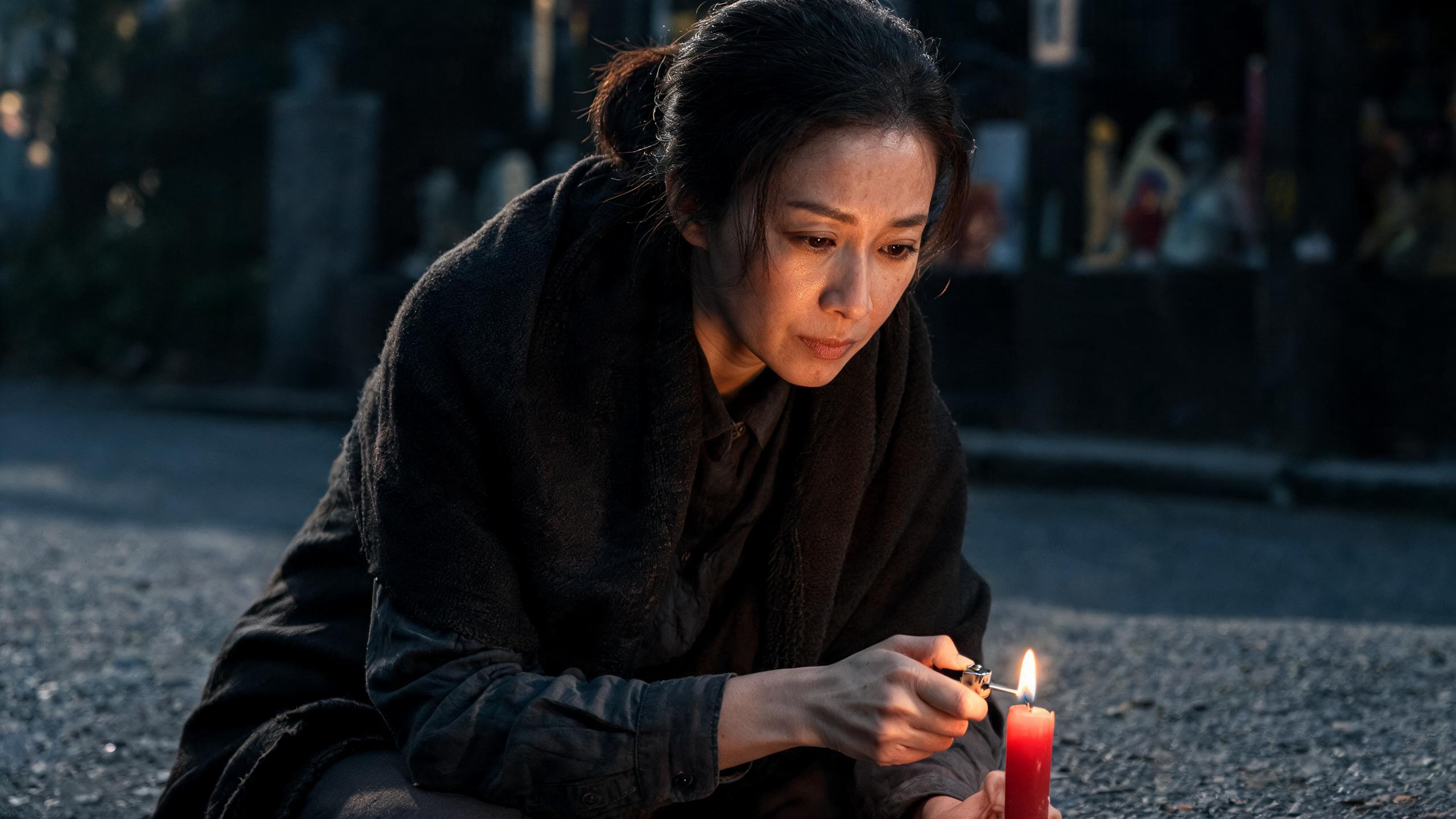
Among the many robe colors, white for purity, gold for prosperity, black for protection, green for justice, red is the most emotionally charged. Devotees associate the red Santa Muerte with love, passion, blood. They bring her red roses, red candles, bottles of red wine. Sometimes red meat. They ask her to bring back a lover, to heal a broken heart, to stop a cheating spouse. They also pray to her for protection from violence, because red is the color of blood spilled in the streets. And that's exactly why the Church finds her so dangerous. The Vatican sees the red robe as a direct affront to the Passion of Christ. Cardinal Ravasi called the whole devotion "anti-religious," but the red aspect is the one that most explicitly celebrates the very things the Church says belong to God alone: life, death, and the power to heal. When a devotee lights a red candle to Santa Muerte and asks her to save a child from cancer, the Church hears blasphemy. The devotee hears hope.
Social and Political Context of the Persecution
The Vatican's condemnation didn't happen in a vacuum. It came at a time when the Mexican government was cracking down on drug cartels, and Santa Muerte altars were found in narco safe houses. The media painted the saint as a narco-saint, and the Church's statement played into that narrative. But the reality is more complex. In working-class neighborhoods, Santa Muerte altars are as common as Virgin of Guadalupe shrines. They sit next to the stove, in the corner of the living room, on a shelf above the television. The red candle burns for love, yes, but also for the survival of a family in a violent city. The Church's condemnation doesn't stop people from believing. It just drives the devotion further underground, especially in places where Catholic priests might refuse a funeral for a known devotee. That's a loss for the Church, too. As one researcher noted, Santa Muerte devotion is often a cry for help from people who feel abandoned by the institution.
Limits of This Analysis
This article is about the Vatican's condemnation of Santa Muerte, with a focus on the red aspect. It doesn't offer legal advice. If you're facing discrimination for your devotion, consult a lawyer. It doesn't diagnose mental health conditions, if you or someone you know is in crisis, call a professional. And it doesn't endorse any illegal activity. Fire safety is real: never leave a burning candle unattended, and keep red candles away from flammable objects. Finally, this analysis can't speak for every devotee or every priest. There are Catholics who respect Santa Muerte devotion as a cultural expression, and there are devotees who still call themselves Catholic. The relationship is messy, and this article is only one piece of that story.
Questions People Actually Ask About Santa Muerte and the Church
### Is Santa Muerte officially banned by the Catholic Church?
No. The Vatican has not issued a formal decree banning devotion to Santa Muerte. Cardinal Ravasi's 2013 statement was the strongest public condemnation, but it doesn't carry the force of canon law. Local bishops in Mexico and the U.S. have sometimes discouraged the practice, but there's no universal ban.
### Does the red Santa Muerte mean something different to the Church than other colors?
The Church condemns all colors equally, but the red aspect is particularly provocative because it deals with love, blood, and passion, areas the Church considers sacred. Red is also the color of martyrdom, so seeing it on a skeleton saint feels like a parody.
### Can you be Catholic and still pray to Santa Muerte?
Many devotees consider themselves Catholic. They attend Mass, pray to the Virgin, and also light a candle to Santa Muerte. The Church officially says this is incompatible, but in practice, millions do both. It's a personal and often secret decision.
### Why did the Vatican speak out in 2013?
The devotion had grown rapidly in the previous decade, especially in areas affected by drug violence. The Vatican wanted to draw a clear line between Catholicism and what it saw as a superstitious death cult. The timing also coincided with increased media coverage of narco-culture.
### Is there any chance the Church will change its position?
Unlikely. The Vatican sees Santa Muerte devotion as a direct threat to the Christian understanding of death and resurrection. However, local Catholic leaders in Mexico have sometimes been more tolerant, recognizing that the devotion meets needs the Church isn't meeting.
The red candle still burns in thousands of homes tonight. The Vatican's words didn't snuff it out. If you're reading this and you've lit that candle yourself, you already know she listens. That kind of faith doesn't need a Vatican stamp.